
In the past, we measured value mainly through financial capital, things like cash, equity, and other investments. These flowed through banks, investment firms, and stock markets, all focused on generating returns.
But today, value isn’t just financial anymore.
We now live in a world full of noise and content. That’s why attention has become a new form of capital. The more people focus on something an idea, a brand, a product, the more valuable it becomes. This is what we call attention capital.
On the other hand, social capital is all about trust, reputation, and influence. It’s built through networks, community, and consistent behavior. People follow those they trust. And in Web3, trust equals traction.
With AI and blockchain tech evolving fast, both attention and social capital are becoming programmable. You can now track, trade, and stake them. These are not just buzzwords, they’re the foundation for new types of markets.
Attention ≠ Social Capital
Many confuse attention capital with social capital, but they’re not the same and understanding the difference is key for any brand building in Web3.
Attention capital is short-term. It’s about what people see, click, or react to likes, shares, views, impressions. It’s often driven by trends, memes, or viral moments.
But social capital runs deeper. It’s about trust, respect, and community connection. People follow and support those they believe in. Social capital grows slowly, through consistent value and credibility. You don’t just earn it, you’re endorsed into it.
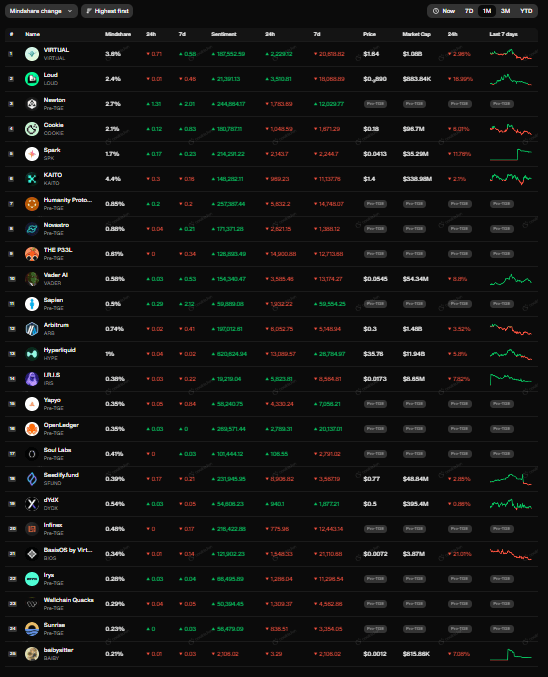
The real challenge? Attention can be faked. Bots, clickbait, and outrage bait can inflate visibility, but they rarely build real relationships. Social capital, on the other hand, can’t be gamed. It’s built through real engagement, meaningful content, and a long-term presence in the space.
As a Web3-native ghostwriting, marketing, and development team, we focus on helping brands earn attention that actually matters and turn that into lasting social capital through credible storytelling and high-trust content.
Which Type of Capital Are You Really Trading?
In today’s crypto markets, you’re not just trading tokens, you’re trading capital forms. And understanding what kind of capital a platform is built on matters.
1. Attention Capital

Platforms like Pump Fun (@pumpdotfun) thrive on viral reflex. Tokens rise based on memes, influencer tweets, or cultural spikes. These are pure attention markets, fast, hype-driven, and highly reactive. The Loudio experiment took this even further, openly embracing attention as its core asset.
2. Mindshare Markets
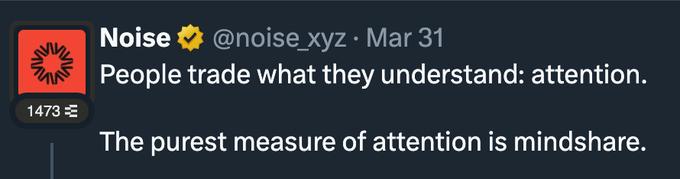
Noise (@noise_xyz) tokenizes what people are talking about in crypto. Built on Kaito (@KaitoAI), it tracks mindshare using engagement scores weighted by reputation. But there are doubts: do these scores reflect genuine community belief or just temporary noise? This is where our ghostwriting expertise comes in, haping narratives that convert attention into trust.
3. Social Capital Markets
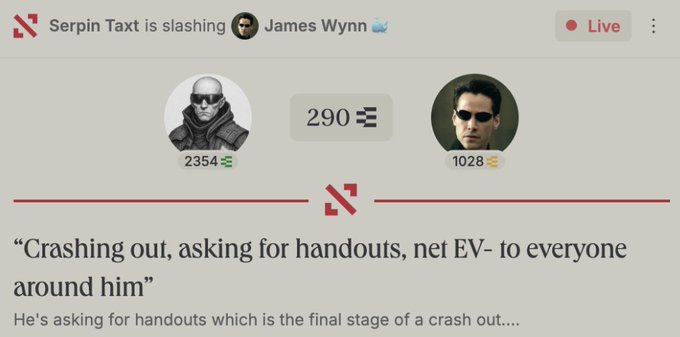
Ethos (@ethos_network) flips the model. It lets users stake ETH to vouch for others. If someone acts in bad faith, their backers get slashed. This ties reputation to real financial risk. It’s slower than meme tokens but far more meaningful.
4. Hybrid Models
Platforms like Time Fun (@timedotfun) combine both. It lets users buy time with founders, investors, or creators. Tokens here reflect whose time is worth paying for, a strong form of social capital. But yes, attention still plays a role.
Others like Fantasy Top (@fantasy_top_) and Pump Pals (@PumpPals) also sit in this hybrid zone. They price engagement across platforms, from X to OnlyFans.
Today, they lean on attention metrics, but over time, they could evolve into reputation-driven ecosystems. Imagine if Fantasy Top factored in Ethos scores or fan loyalty data. That shift would signal a move from short-term hype to long-term influence.
Why It Matters Now
The attention economy is shifting and fast. Brands and builders are waking up to a tough truth: grabbing attention isn’t enough anymore. The hype fades, the clicks stop, and nothing meaningful remains. We’ve seen it happen across countless Web3 launches, buzz with no staying power.
But this isn’t a dead end. It’s a turning point.
When we treat attention and trust as separate but connected assets, new possibilities open up. Instead of just chasing trends, you start building real value, trust-driven ecosystems that last. Attention shows you’re visible. Social capital proves you’re credible.
As a team offering development, marketing, and ghostwriting services in Web3, we understand the importance of balancing visibility with substance. That’s where high-context content comes in – platforms that combine Kaito scores, Ethos scores, and reputation layers to show not just who’s loudest, but who’s reliable.
These ideas aren’t just theory they’re building blocks for smarter, more human-focused systems. When attention, trust, and financial reputation flow together, you get better signals, better decisions, and more meaningful engagement.
And if you’re building in this space, you need content that reflects that clarity.

Leave a comment