
Let’s cut straight to it.
Abstract Chain exists because of Pudgy Penguins.
Same way Ronin exists because of Axie Infinity.
But unlike most L2s that launch with zero traction, Abstract had something real from day one: a brand people already cared about.
That gave them a shot at building something bigger: a blockchain made for regular people. Not just crypto degens, but folks who don’t know what a wallet is yet.
But here’s the thing: they’re not there yet.
Right now, Abstract feels like a crypto-first chain trying hard to become consumer-first.
So let’s take a deep dive into how they got here, where they’re going, and whether they can actually pull it off.
1. Origins: Built on IP, Not Just Code
AbstractChain didn’t start from scratch. It started from Pudgy Penguins, One of the few NFT projects that broke into mainstream culture.
Most L2s are built by developers for developers. Abstract was built by marketers and builders who understood audience first, tech second .
They tried joining an existing L2, but realized the value they brought to any chain (millions of eyeballs, cultural relevance) far outweighed what they could get in return.
So they did what any sane team would do in their position:
They launched their own chain.
Not to be another Ethereum competitor. Not to chase DeFi dominance. But to build an infrastructure layer for mass-market crypto apps.
App verticalization: Brand → Infrastructure → Ecosystem
That’s their playbook. And it starts with IP.
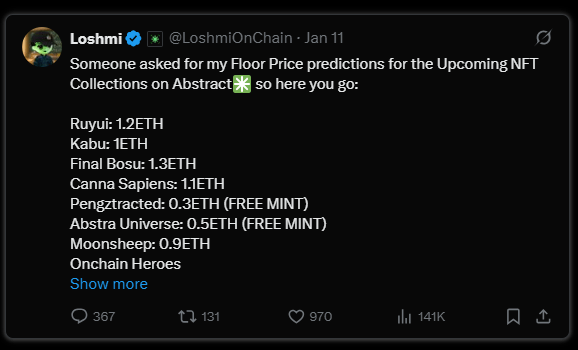
2. The Launch: A Lot of Hype, Then a Cold Start
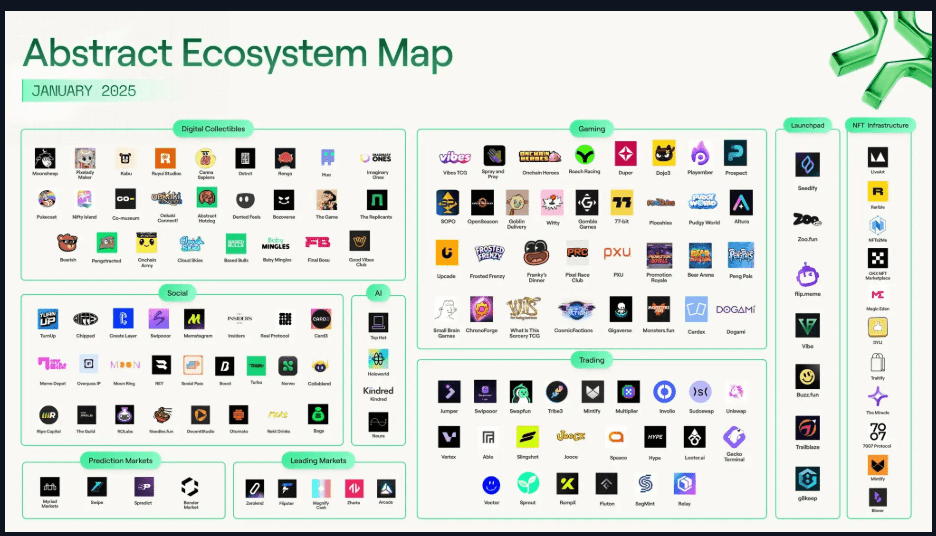
Abstract’s mainnet went live in January 2025.
Hype was high. Expectations were higher.
People thought “mainnet” meant “token drop.” It wasn’t.
No token. No liquidity incentives. Few apps.
Result?
A cold start. FUD followed.
But here’s the truth: they stuck to their plan.
Instead of chasing short-term gains, they focused on building a clean, intuitive experience — the kind that could actually pull in new users.
Was it perfect?
No.
But it was honest.
And compared to other L2 launches that promise the moon and deliver vaporware, Abstract deserves credit for shipping something real, even if it wasn’t fully baked.
3. The Portal: One Place to Do Everything
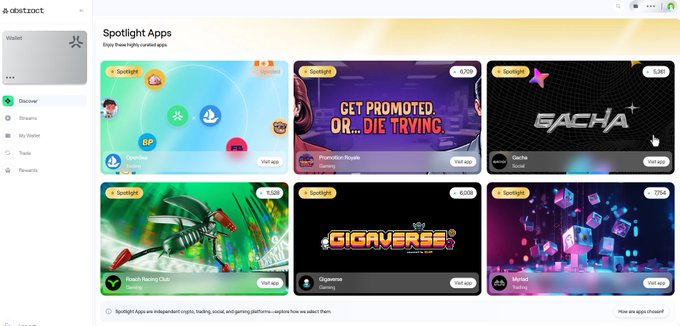
The biggest differentiator of AbstractChain is the Portal, basically a Web3 app store.
It’s simple, clean, and designed for people who don’t want to jump between wallets, DEXes, and dapps.
Here’s what’s inside:
- Discover : Find apps.
- Streams : Watch creators.
- My Wallet : Manage assets.
- Trade : Swap tokens.
- Rewards : Earn XP.
- Profile : Show off your activity.
Unlike most chains, everything lives in one place. No downloading multiple tools. No confusing UX.
This is huge.
Because when you’re trying to bring in non-crypto people, complexity kills adoption .
Abstract gets that.
4. Streaming: The Hook
Abstract uses streaming like Costco uses $1.50 hotdogs, as a loss leader.
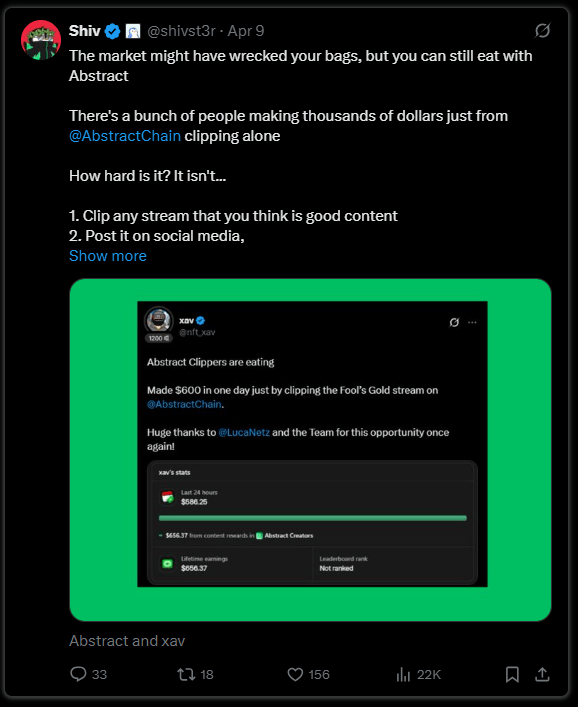
Streamers keep 100% of tips. Users get paid for clipping and sharing content.
Why?
To create a flywheel:
Incentives > Engagement > Clipping > Distribution > Onboarding New Users
Some creators are pulling in thousands just by being active.
Tori Ribolla got 9 ETH ($16k) in tips. That’s not noise.
But again, here’s the catch:
- Most viewers are still crypto-native.
- They haven’t cracked the mainstream audience yet.
Streaming is working for engagement, but not yet for growth.
5. XP Rewards: Smarter Than Farming
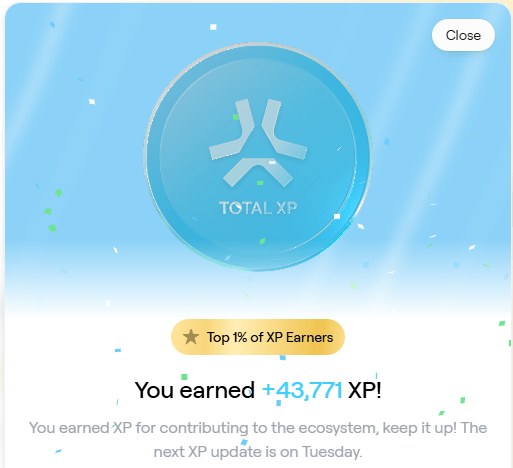
Abstract XP is their twist on user rewards.
Instead of farming points for doing nothing, you earn XP by actually using the chain.
Mint NFTs. Swap tokens. Stream. Hold assets.
And yes, people flex their XP scores like it’s a video game. That’s the point.
XP creates weekly moments where users showcase their activity, like social media posts or flexes.
This keeps users coming back, talking about the chain, and bringing in new people organically.
It also helps developers drive revenue.
People spend money knowing they’ll get XP in return, and expect post-TGE value.
Is it sustainable long-term?
No system is.
But right now, it’s working better than most.
6. Profiles: Identity Meets Onchain Activity
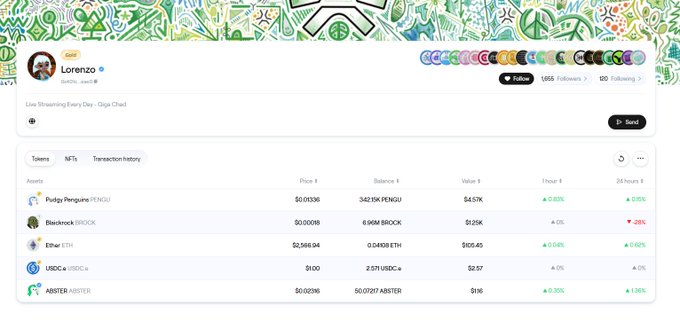
Your Abstract profile shows what you own, what you stream, and how much XP you’ve earned.
It’s like a gamer tag with receipts.
Or a crypto resume.
It combines Web2-style identity with onchain history, making things feel personal, social, and familiar.
This matters.
Because right now, crypto identity is broken.
Wallets are anonymous. Apps are siloed. There’s no sense of continuity.
Abstract profiles fix that, at least partially.
7. So… Is Abstract Just a Casino?
Look at the top apps:
- Scratch cards
- Gambling games
- Prediction markets
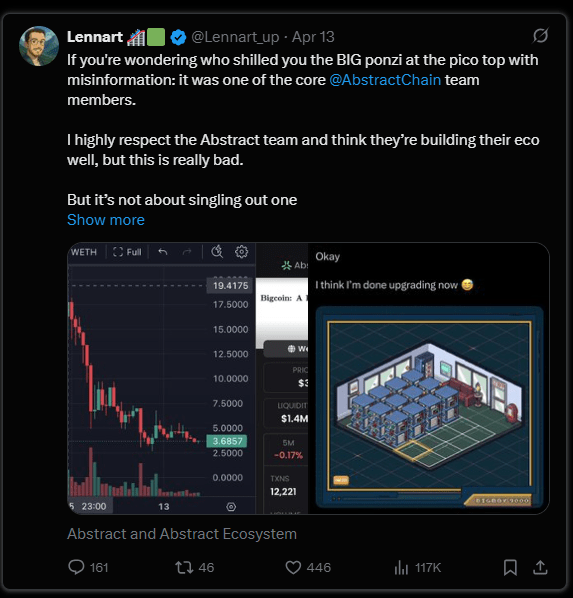
- Idle RPGs with Ponzi vibes
Yeah. A lot of it looks like gambling.
Crypto people love this stuff. They’ll spend hours trying to flip a token or win a lottery.
But does that work for regular people?
Not yet.
Right now, Abstract feels like a crypto playground dressed up as a consumer product.
The team knows this. That’s why they’re going all-in on Web2 brands.
8. Web2 Partnerships Are the Real Play
Red Bull Racing. Pudgy Penguins. More big names coming soon.
These aren’t just marketing stunts, they’re bridges to the real world.
If they can get Pudgy merch in Walmart, and bring those buyers into Abstract, they win.
Same if they hook Twitch streamers with better tipping and creator tools.
That’s the long game.
9. How Abstract Stacks Up Against Other Chains
Compared to Solana, Berachain, or Ronin, Abstract isn’t faster or cheaper.
But it’s easier.
No clutter. No jargon. One place to do everything.
Solana might be the future of institutional DeFi. Abstract wants to be the front door for everyone else.
And honestly?
It’s closer to that goal than most people give it credit for.
10. Final Verdict
Is Abstract the next big thing for mass adoption?
Maybe.
Right now, it’s a crypto-first chain trying hard to become consumer-first.
It’s got the UX, the branding, and the early hooks (streaming, XP, profiles) to make it happen.
What it still needs?
A killer app that non-crypto people actually want to use.
Until then, it’s still mostly degens rolling dice.
But hey, even Disney started with cartoons.
See you next time,
Akash

Leave a comment