
Wait… Bitcoin can do what now?
Bitcoin, the most secure blockchain in the world, has always lacked one thing — the ability to program.
While Ethereum and other smart contract platforms grew into full DeFi ecosystems, Bitcoin stayed still: valuable, sure, but not active.
Any attempt to integrate it with DeFi required:
- Wrapped BTC on Ethereum
- Risky bridges and custodians
- Oracles and off-chain trust assumptions
That era is over.
Meet Hemi.xyz – a Layer 2 you can change that joins Bitcoin’s safety with Ethereum’s ability to program using no wrappers, no bridges, and zero go-betweens.
What Is Hemi?
Hemi is a new system that brings real Bitcoin straight into smart contracts and without needing trust.
Key Innovation Highlights
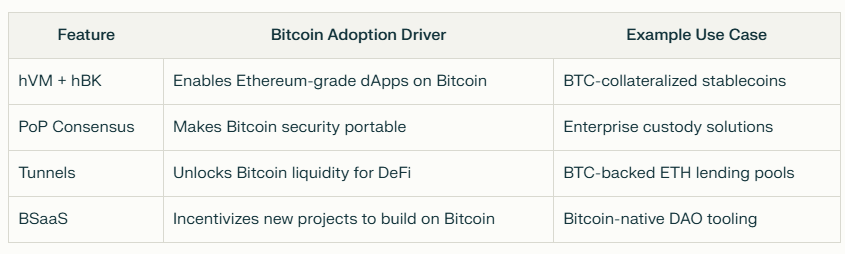
- hVM: Ethereum Virtual Machine + full Bitcoin node
- PoP (Proof-of-Proof): Bitcoin-level finality in under 90 minutes
- Tunnels: Direct, trustless BTC ↔ ETH communication (no bridges)
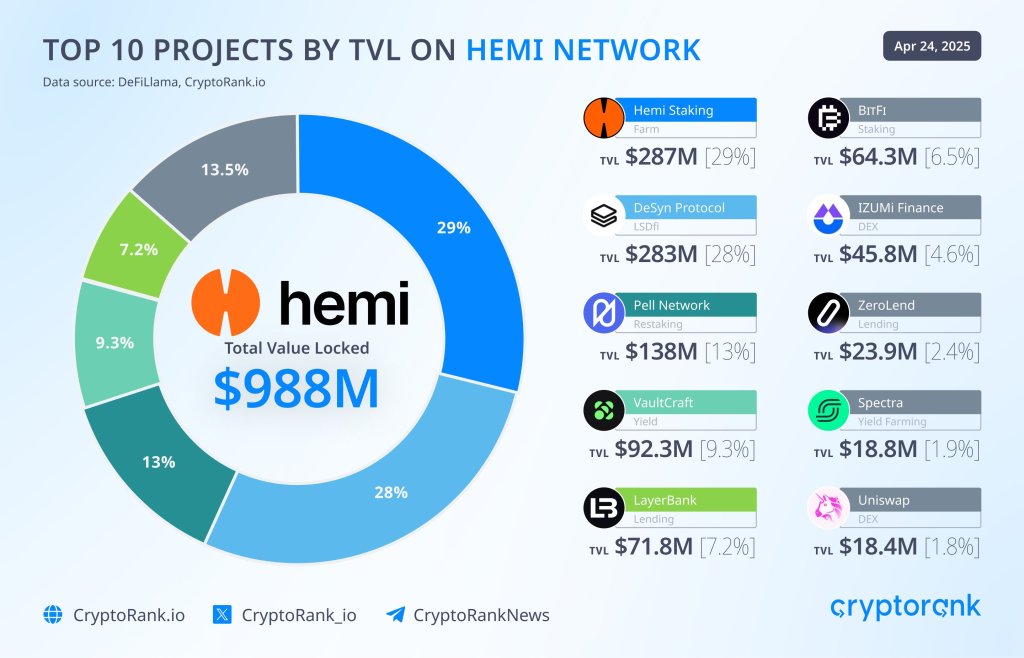
- TVL: Over $1 billion locked in just 38 days
- Backed by: Binance Labs
- Built by: Jeff Garzik (ex-Bitcoin Core) and Max Sanchez (PoP inventor)
This isn’t a sidechain.
It’s a modular Layer 2 that treats Bitcoin not as a “dumb asset” but as a first-class programmable citizen.
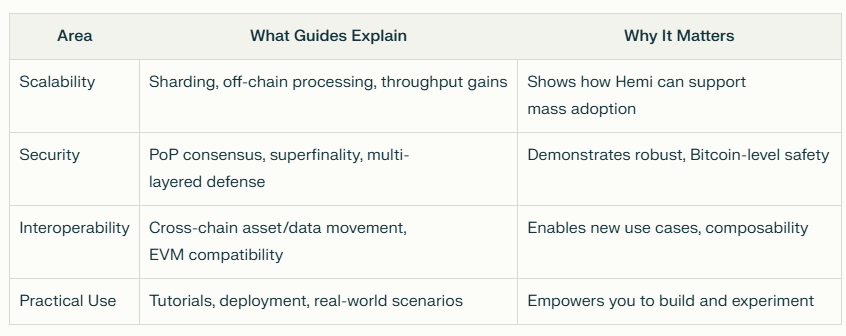
Adoption Traction:
- 200,000+ PoP Miners competing to anchor state to Bitcoin.
- 20M+ Transactions executed on Sepolia testnet—88% of testnet volume.
- 914K Wallets onboarded since Testnet V1.
- 35+ Integrations including Sushi, Pendle, Pyth, LayerZero.
Team & Investors:

- Jeff Garzik (CEO): Core Bitcoin dev since 2010. Collaborated with Satoshi.
- Max Sanchez (CTO): Creator of PoP. Built VeriBlock (secured $1B in assets).
- Backers: Binance Labs, Breyer Capital, Crypto.com.
- Funding: $15M raised at a $150M FDV.
Hemi’s Technical Architecture – Core Components
1. hVM (Hemi Virtual Machine)
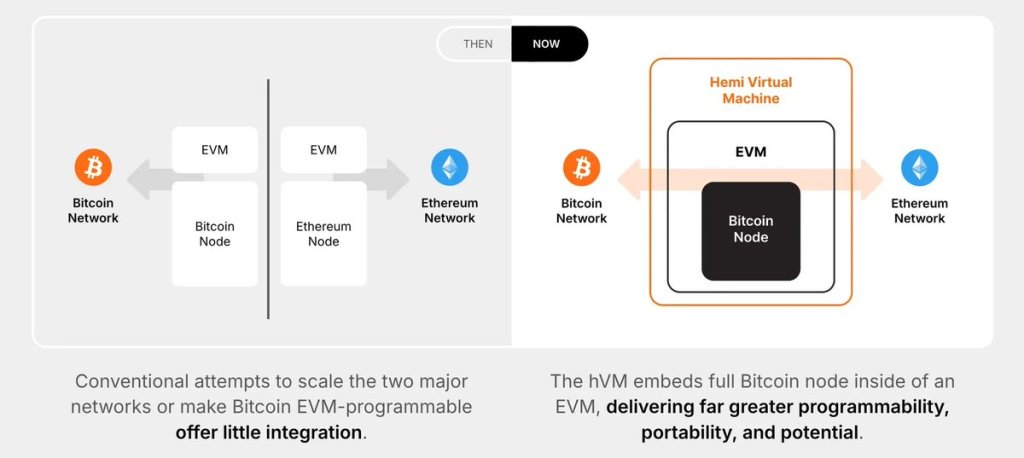
The hVM is a dual-execution runtime that combines:
- Ethereum Virtual Machine (EVM): For running Turing-complete smart contracts.
- Bitcoin full node: For real-time verification of BTC transactions and blocks.
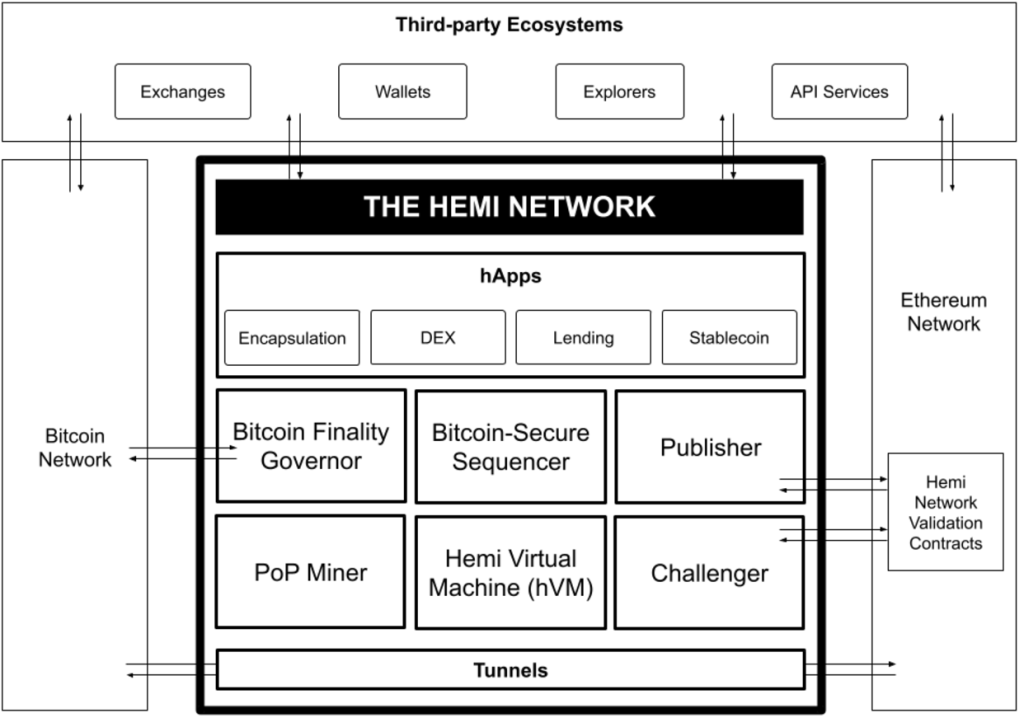
How it works:
Bitcoin Integration: The full Bitcoin node is baked into Hemi’s infrastructure. it:
- Verifies incoming Bitcoin blocks.
- Parses real Bitcoin UTXOs and transaction payloads.
- Maintains SPV proofs (Simple Payment Verification).
EVM Layer: The EVM operates like any L2 (e.g., Arbitrum, Optimism), but can access Bitcoin data natively using built-in opcodes or precompiles.
Example:
if (btcTx.confirmed && btcTx.amount >= 1 BTC) {
    releaseEscrow();
}
BTC-Oracles Are Native: There’s no Chainlink or relay needed. The Bitcoin node itself is the oracle. This ensures:
- No data latency.
- No trust assumptions.
- Bitcoin finality guarantees.
2. PoP (Proof-of-Proof)
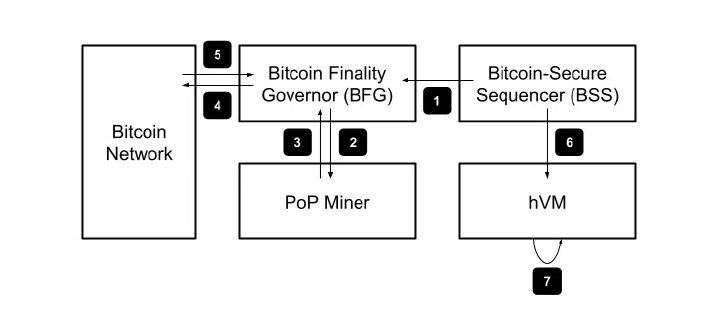
PoP is a consensus layer that achieves Bitcoin-level finality by anchoring L2 state into the Bitcoin mainnet every 90 minutes.
How it works:
Merkle Commitments: Hemi L2 batches transactions and creates a Merkle root.
Anchoring: This Merkle root is committed as an OP_RETURN or Taproot-embedded proof into Bitcoin mainnet.
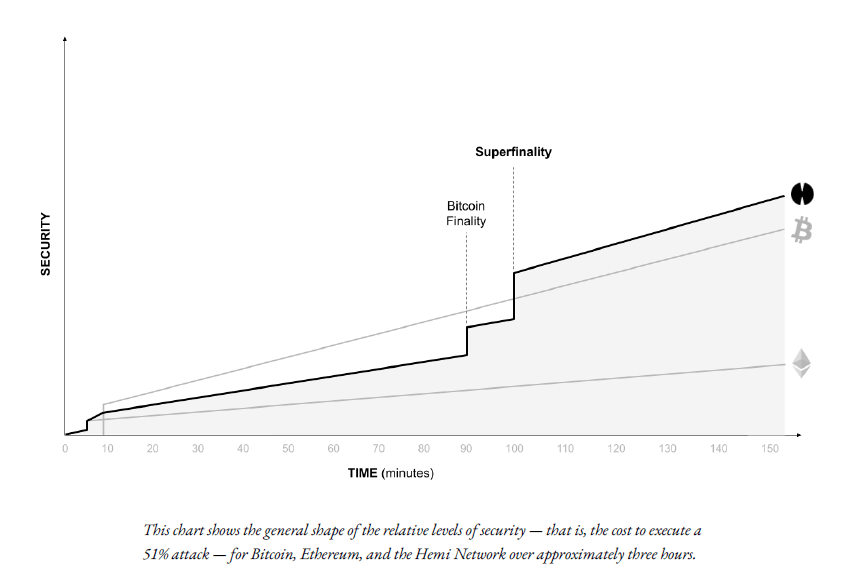
Reorg Resistance: Once the proof lands in 6 Bitcoin confirmations (~90 mins), the state is considered immutable.
Trust Model:
- No honest majority needed.
- Finality is inherited directly from Bitcoin.
- Validators must prove consistency with BTC chain, or be slashed.
3. Tunnels (Trustless BTC↔ETH Bridge)
Tunnels enable atomic movement of BTC into Hemi’s EVM without wrapping or custodians.
How it works:
User Sends BTC: A user sends real BTC to a Hemi-monitored deposit address.
SPV Proof Generation: After 6 confirmations, Hemi’s embedded Bitcoin node verifies the TX and creates an SPV proof (proof-of-inclusion in the Bitcoin block header).
Mint BTC on EVM: A smart contract validates the SPV proof and mints native BTC representation (not a wrapped token, but a state-bound 1:1 mapping secured by Bitcoin headers).
Exit (Burn + SPV Exit):
- User burns the token.
- Generates a Merkle proof.
- Hemi releases BTC from a non-custodial Bitcoin script, usually a Taproot/Miniscript vault.
What makes it different:
- No multisig.
- No third-party custodians.
- Exit proofs are enforced on both BTC and EVM sides.
4. Bitcoin-Secure Sequencer (BSS)
The BSS is a decentralized set of actors who produce Hemi blocks, resolve cross-chain state, and submit results to Ethereum and Bitcoin.
How It Works:
Block Aggregation:
- Gathers Bitcoin headers, mempool transactions, and EVM txs.
- Maintains a consistent view of Bitcoin’s state (via PBV, see below).
Block Production:
- Builds Hemi blocks that include EVM txs and Bitcoin context.
State Commitments:
- Posts calldata to Ethereum for fraud-proof-based settlement.
- References Bitcoin headers in each block (used in PoP).
Security:
- Sequencers must stake $HEMI tokens.
- Slashing enforces correct state commitments.
- Can be replaced or challenged by decentralized validators.
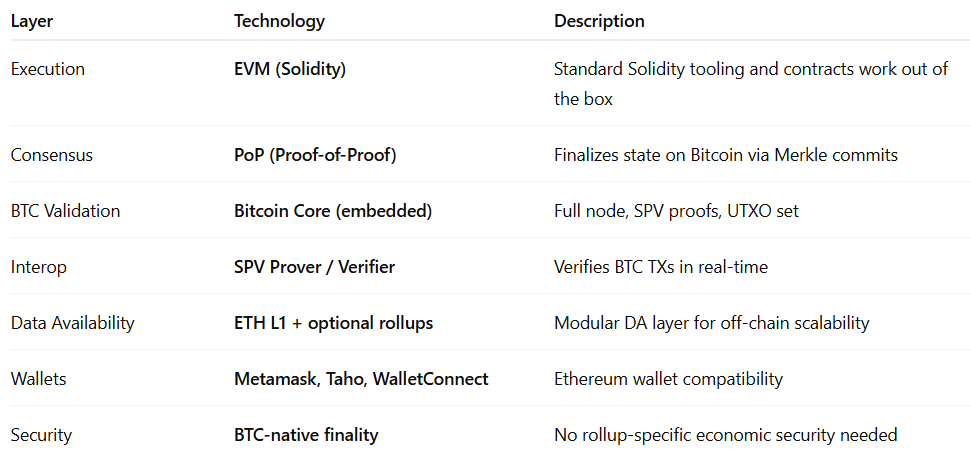
Developer Stack in Hemi
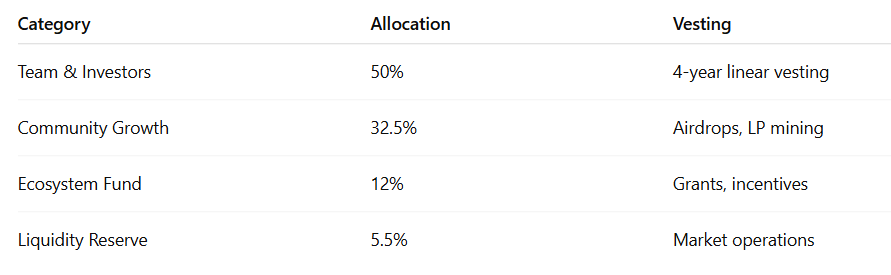
Tokenomics: $HEMI Utility & Emissions Model
- Total Supply: 10B
- Annual Inflation: 3–7% for sequencers and PoP miners
Utility:
- Gas: Fees can be paid in ETH or $HEMI (1% conversion tax for ETH).
- Governance: Proposals for upgrades, tunnel rules, token inflation.
- Staking: Needed to run Sequencer or Challenger nodes.
What Can You Build with Hemi?
Real BTC DeFi
- Borrow/lend BTC on-chain.
- Create escrows that unlock when BTC TXs land.
- DEXs that auto-settle with BTC, not wBTC.
BTC-native MEV
- Build relays that detect real BTC mempool TXs.
- Use ETH contracts to frontrun or arbitrage BTC trades.
Cross-chain Triggers
- Example: If BTC sent to address X, auto-mint NFT on ETH.
- Chain-level event handling across BTC ↔ ETH in real time.
Trustless Escrows
- BTC is locked in a Bitcoin Taproot script.
- Conditions are monitored by smart contracts on EVM.
- Fully decentralized OTC without middlemen.
Why This Changes Everything?
No More Wrapping
- No wBTC.
- No bridges that get hacked.
- BTC lives and breathes directly on-chain.
Bitcoin Maxis vs Ethereum Degens — United
- Bitcoin gives security + finality.
- Ethereum gives composability + dev experience.
- Hemi merges both natively.
TVL + Adoption
- $1B TVL in just 38 days.
- Backed by Binance Labs, Jeff Garzik (ex-Bitcoin Core), and Max Sanchez (PoP inventor).
What’s Next? The Road to TBTC Domination
Why TBTC will dominate:
- Bitcoin has >$500B idle liquidity.
- ETH-native DeFi is mature, but lacks pristine collateral.
- Once builders realize they can build real DeFi on BTC, it unlocks:
Use cases to watch:
- Sovereign stablecoins backed by BTC.
- BTC-based DAOs with provable treasury.
- NFT royalties paid directly in BTC via smart triggers.
TL;DR: Hemi = BTC Meets EVM, For Real
No bridges. No wrappers. No trust assumptions.
Just real, programmable Bitcoin, powered by:
- hVM (BTC + EVM in one)
- PoP (Bitcoin-secured finality)
- SPV-based Tunnels (trustless interop)
- $1B TVL in 38 days
- Backed by top builders
Bitcoin isn’t just money anymore. It’s programmable. And it’s live.
Key Citations
- Hemi Official Website The Programmable Bitcoin Chain
- Welcome to the Hemi Docs Hemi
- Hemi Network Price Price Today Live Chart USD converter Market Capitalization CryptoRank.io
- Jeff Garzik’s Hemi Labs Debuts 440M Mainnet to Unify Bitcoin and Ethereum
- With 440M in TVL Hemi Labs launches its mainnet TheStreet Crypto
- Hemi TVL at 265 Million Pre-mainnet
- Jeff Garzik’s Bitcoin L2 Hemi Captures 265M TVL Before Mainnet AlexaBlockchain
- Hemi Labs Raises 15 Million to Launch Advanced Modular Blockchain Network Powered by Bitcoin and Ethereum
- Hemi Network Explained How It Could Transform Bitcoin and Ethereum Scalability
- Bitcoin.org Official Bitcoin Website
- Ethereum.org Ethereum Official Website
- Binance Labs Binance Labs Official Website
- Hemi Bitcoin Kit docs Hemi
- Hemi Virtual Machine docs Hemi
- Hemi Mainnet Launches with Over 440M TVL 50 Ecosystem Partners and a Surge of Incoming Liquidity Commitments Coin Edition
- Blockchain Innovator Hemi Labs Launches 440M Mainnet—A New Era for Crypto Crypto Head

Leave a comment