Why Now is the Best Time to Launch an RWA Tokenization Platform
I want to speak for a second, because this isn’t just another passing crypto trend we’re discussing.
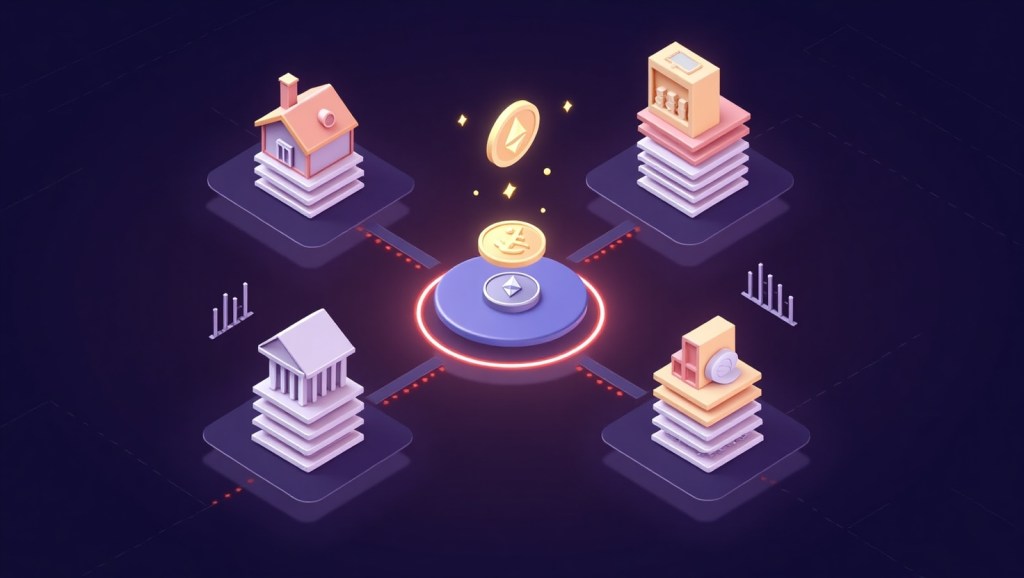
Transforming real-world assets (RWAs) into tokens is proving to be one of the most valuable and workable ideas in Web3.
We’re dealing with trillions locked up in assets that are hard to trade. This includes things like real estate, collectibles, commodities private equity, or even invoices.
The figures are mind-blowing.
- $867 trillion: Global real-world assets are worth this much in total (Goldman Sachs 2024).
- Under 0.02% tokenized: Blockchain holds just $185 billion of real-world assets (Binance Research).
- $10–30 trillion: Tokenized real-world assets could grow to this value by 2030 (McKinsey).


Imagine assisting people as they turn these into tokens that can be traded, place them on-chain, and make immediate liquidity possible.
By creating a platform to achieve this, you’d not support users but also bring broader benefits.
You’ll unlock steady revenue by charging transaction and listing fees. You play the role of a backbone provider as DeFi and CeFi move closer together.
To businesses, this isn’t just a passing fad. it’s a way to tap into big money opportunities. Creating an RWA tokenization platform lets you take a cut from every trade, listing, or custody service.
You’ll position yourself to lead in a market that’s growing by an impressive 68% every year.

If your goal is to build an RWA tokenization platform on efficient L2s like Base Network, this guide will help you get there.
Here’s what you’ll find in this guide:
- Why launching in 2025 makes sense (changes in regulations and maturing technology).
- Building a platform step by step on the Base network.
- Ways to make money with strategies that bring consistent income.
Let’s break it all down.
If your goal is to build an RWA tokenization platform on efficient L2s like Base Network, this guide will help you get there.
Here’s what you’ll find in this guide:
- Why launching in 2025 makes sense (changes in regulations and maturing technology).
- Building a platform step by step on the Base network.
- Ways to make money with strategies that bring consistent income.
Let’s break it all down.
What Does RWA Tokenization Mean? (And Why Do Businesses Care?)
RWA tokenization means turning physical goods like real estate or art, and financial tools like stocks or bonds, into digital tokens on a blockchain.

These tokens let people own smaller pieces, allow non-stop trading, and ensure compliance using smart contracts.
Major Advantages to Businesses
- Create New Revenue Paths: Earn money by charging transaction fees ranging from 0.1 to 2 percent. Generate income from listings starting at $10,000 per asset, and offer custody services.
- Expand Global Investor Access: Open up hard-to-trade markets to both everyday buyers and institutional players.
- Gain a Regulatory Edge: Integrate KYC and AML compliance to lower the chances of legal complications.
Why Launch an RWA Tokenization Platform in 2025?
Demand is surging due to three major changes:
1. Clearer Regulations
- MiCA Rules in the EU: Starting in 2025 tokenized assets will follow transparent guidelines.
- SEC’s Approach in the U.S.: Outlines security token systems for RWAs, like the ERC-3643 standard.
2. Rise in Institutional Use
- BlackRock: Used Ethereum to tokenize $1 billion in money market funds.
- JPMorgan: Handles $1 billion with Onyx blockchain designed for tokenized assets.
3. Advancing Tech
- Base Network: Coinbase’s Ethereum Layer 2 includes almost no fees, high-grade security, and smooth fiat support.
Steps to Create a Tokenization Platform
Core Elements to create an RWA Platform

Tech Stack

Clear Steps to Get Started
Step 1: Understand the Market and Choose a Niche
1.1 Focus on Asset Classes That Are Underserved
- Commercial Real Estate: Focus on shared ownership opportunities in office spaces, storage facilities, or shopping centers. Avoid the crowded space of residential-focused platforms like RealT. Create partnerships with REITs like Real Estate Investment Trusts that need better cash flow.
- SME Bonds: Create tokens from small or mid-sized businesses’ debts in markets like Southeast Asia or Africa. Centrifuge offers an example of how SMEs can tokenize things like invoices.
- Art/Collectibles: Stick to high-value art like pieces by Warhol or Banksy that already show strong resale history. Work with well-known auction houses such as Sotheby’s, to verify authenticity.
Tools to Validate:
- Use SEMrush or Google Trends to analyze the search volume tied to phrases like “invest in commercial real estate tokens” or “SME bonds blockchain.”
- Conduct pilot surveys through Typeform to ask over 50 asset managers questions like “Would tokenizing commercial property to offer 24/7 liquidity appeal to you?”
- Study competitors. Identify gaps in platforms such as Securitize or Polymath such as the absence of tools for tokenizing art.
Step 2: Regulatory Plan – Create Confidence
2.1 Choosing a Jurisdiction
Tasks:
- Work with a law firm specializing in blockchain such as Perkins Coie or CMS, to handle legal aspects.
- Create a Token Classification Document to explain if your tokens act as securities, utilities, or a mix of both.
- Register as a Virtual Asset Service Provider when necessary.
2.2 Compliance Setup
- Ensure smart contracts follow compliance rules. Apply OpenZeppelin’s ERC-3643 templates to restrict transfers like preventing unverified wallets from sending tokens.
- Set up automated tools for reporting. Use ComplyAdvantage to run instant AML checks.
Step 3: Develop MVP – Key Features
3.1 Tokenization Platform
- Tech Stack: Smart Contracts rely on ERC-3643 to manage security tokens like ownership rights and dividends.
- Tools: Developers use Hardhat to test contracts and Etherscan to confirm them.
3.2 Process To Onboard Users
- KYC/AML: Integrate Persona’s no-code widget . Each verification costs $0.30.
- Investor Accreditation: Verify income or net worth with Accredify, which is essential to handle security tokens.
3.3 Marketplace Interface
- Essential Functions: A dashboard to upload asset-related documents like prospectuses and valuation reports. Trading view feature that includes an order book and charting via TradingView Lite. A portfolio tracker to display token value shifts and earned dividends.
- Design Tools in Use: Figma to create prototypes and React.js to build the user interface.
Step 4: Building Partnerships – Key to Gaining Trust
4.1 Custody Providers
- Fireblocks: Charges $500 monthly plus 0.02% of managed assets. Includes API-style cold storage aimed at institutional users.
- Copper: Provides separated accounts designed for regulated assets.
4.2 Data Oracles
- Chainlink: Use “Proof of Reserve” feeds to confirm that assets are backed by reserves such as gold stored in a vault. Cost comes to $50 each month for every data feed.
4.3 Legal Partners
- Bring Compliance Experts Onboard: Hire one or two specialists in-house to oversee compliance.
- External Auditors: Partner with Armanino to perform smart contract audits every quarter. Each audit costs $10,000.
Step 5: Go-To-Market – Present as Institutional-Grade
5.1 Messaging
- Tagline: “Your NASDAQ for Real-World Assets in Tokenized Form.”
- Unique Selling Point (USP): Focus on Base Network’s connections with institutions like Coinbase and its reduced costs.
5.2 Content Ideas
- Case Studies: Example: “How [Asset Manager X] Turned $50M in Warehouses into Tokens – Achieved 20% Increase in Liquidity.”
- Regulatory Simplified Guides: Titles: “A Quick 10-Minute Overview: MiCA Compliance on RWA Platforms.”
- Demo Videos: Demonstrate tokenizing a sample asset such as a $10M office building from initiation to transaction.
5.3 Sales Outlets
- LinkedIn Ads: Aim ads at roles such as “Asset Manager,” “CFO,” or “Family Office Director.”
- Webinars: Host joint events with groups like Chainlink or Fireblocks.
- Enterprise Sales Team: Bring on 2 or 3 reps to approach funds and asset managers.
Metrics to Watch
- Onboarding Rate: Percentage of asset managers finishing KYC.
- Liquidity Depth: Daily average trading volume per asset.
- Revenue: Earnings from transaction fees and custody charges.
Monetization Models That Succeed
Even small trading volumes can add up fast. A platform handling $100M in trades a month with a 0.25% fee could generate $3M yearly revenue.

Examples of Success in the Real World
- RealT: Made it possible to own pieces of over $100M worth of U.S. property by tokenizing real estate.
- Ondo Finance: Reached $300M in total value locked within a year through tokenized treasury bonds.
- Maple Finance: Supported more than $2B in loans by tokenizing private credit.
- Centrifuge: Turns real-world debt into DeFi collateral using tokenization.
- Franklin Templeton: Introduced a blockchain-based tokenized U.S. treasury fund.
- Lofty.ai: Making rental properties with steady cash flow accessible to everyone
These examples are just the beginning. You could scale up with industry partnerships and include a wider range of assets.
Tackling Obstacles
- Navigating Regulations: Work with law firms that focus on blockchain, like Perkins Coie.
- Addressing Liquidity: Use DEX integrations such as Uniswap, and encourage participation from market makers.
- Driving User Engagement: Provide large businesses with customizable white-label platforms to create their own branded marketplaces.
Final Thoughts
Tokenizing real-world assets has started taking off, and companies that move will lead the financial landscape in the coming years.
With Base Network’s system and established revenue models, your platform could turn hard-to-sell assets into a $30 trillion market chance.
We support founders in creating, building, and rolling out Web3 platforms from the ground up. This includes smart contracts, frontend and backend systems, compliance, and go-to-market strategies.
What You Can Do Next:
Schedule a free consultation with us today.
Tokenization is shaping the future of finance. Will you be the one to create it, or just stand by and watch?

Leave a comment