By 2025, Zora, a once-renowned NFT marketplace, took a daring turn by becoming a memecoin-powered social platform.
They turned every post into a tradeable “content coin.”
The introduction of the $ZORA token included a much-awaited airdrop, with promises to reshape the creator economy.
Instead, it turned into an example of broken community trust flawed token strategies, and lost chances.
This piece explores the data, community feedback, and the lessons Web3 founders can learn offering both a firsthand account and a lesson on where it fell apart and how to succeed next time.
What Is Zora Airdrop?
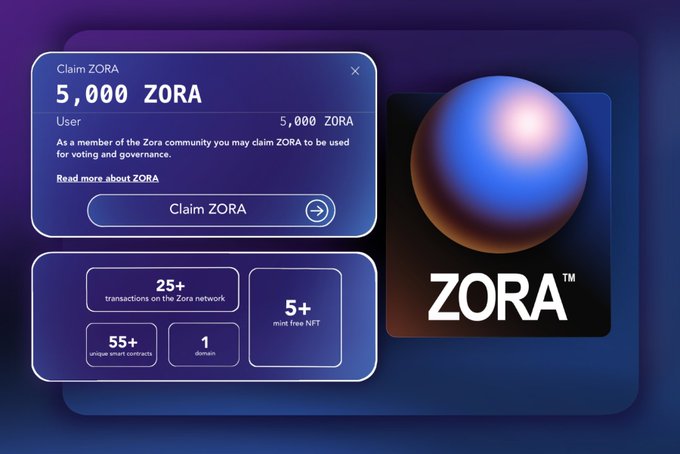
The Zora airdrop handed out 1 billion $ZORA tokens, which made up 10 percent of the platform’s 10 billion total token supply.
This distribution, launched in 2025, aimed to reward early creators and users on Zora while getting its memecoin economy rolling.
The rollout, however, faced heavy criticism.
People were upset over small user allocations, steep gas fees, and the lack of real usefulness for the token.
Zora Airdrop Stats
- Total Supply: The total count of $ZORA tokens is set at 10 billion.
- Airdrop Allocation: 1 billion tokens, which equals 10 percent, were set aside for the airdrop.
- Eligibility: More than 320,000 people could participate. This relied on two snapshots from January 2020 to March 2025 and up to April 20, 2025.
- Average Claim: Users, on average, could claim 1,571 tokens. At launch, this was worth around $37.
- Claim Rate: 13.35 percent of eligible users ended up claiming their share of tokens.
- Gas Fees Issue: Some individuals spent between $50 and $200 on gas fees to find their token payout was less than $1.
These numbers reveal a major gap. The airdrop didn’t grab the attention of most of Zora’s community.
Low turnout suggests frustration or maybe a lack of trust.
Why Zora Chose Memecoins
Zora used to be a big name in the NFT craze.
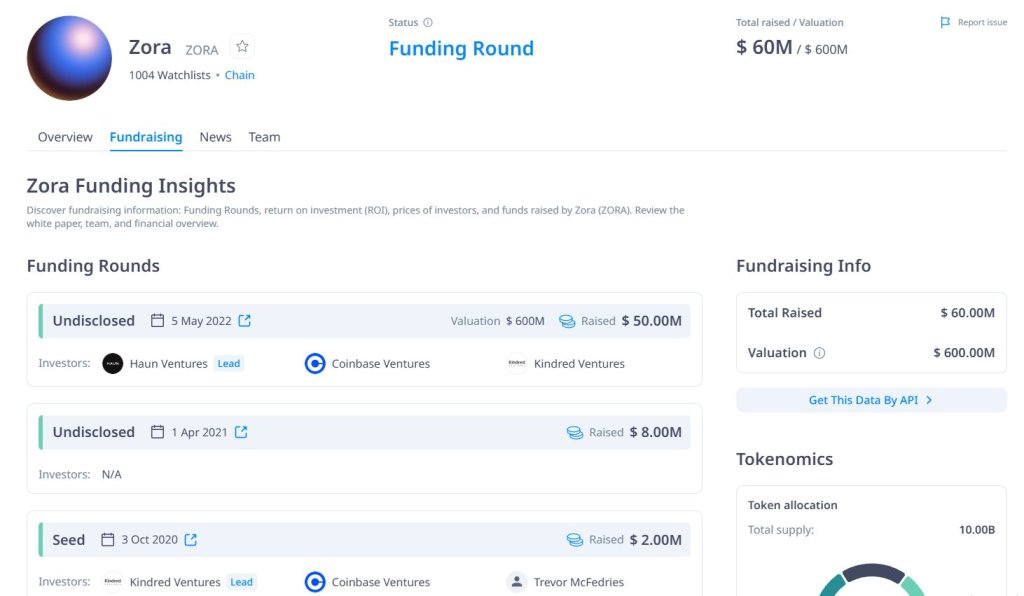
It was a decentralized space for creators and had a $600 million valuation, plus big investors like a16z on its side.
But by 2025, the NFT market had collapsed.
- Sales dropped hard from their high point in 2021.
- Creators walked away from NFTs because of too much speculation and no long-term value.
Zora had no choice but to change its direction.
Zora’s shift toward memecoins aimed to tap into the wild popularity and speculative nature of tokens like dogwifhat and PEPE.
The platform turned itself into a kind of social network where each post acted as its own tradeable “content coin.” Creators could turn their posts into memecoins letting them keep a portion of both the coin supply and the trading fees.
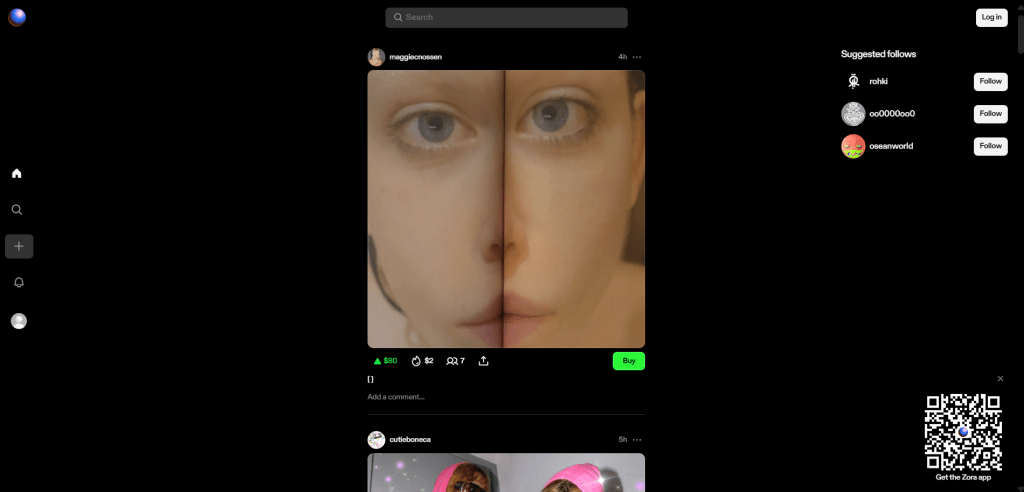
The idea pushed boundaries: a creator-focused economy powered by viral content and community-driven hype.
Zora’s Approach to Memecoins
- Content Coins: Posts like art, tweets, or videos are turned into unique memecoins.
- Creator Earnings: Creators are given part of the coin supply and earn from trading fees.
- Marketplace: Zora acts as a platform for trading memecoins that seeks to tap into viral trends.
This model, while creative, caused worries about harming creator brands and focusing on speculation instead of real value. These issues shaped how the $ZORA airdrop unfolded.
Why the Zora Airdrop Failed
The $ZORA airdrop aimed to be a big success, but it turned into an example of everything that can go wrong in Web3.
In just a few days, the token’s value plummeted, users lost interest, and the community voiced their anger.
Let’s take a closer look at what led to its downfall.
Weak Token Design
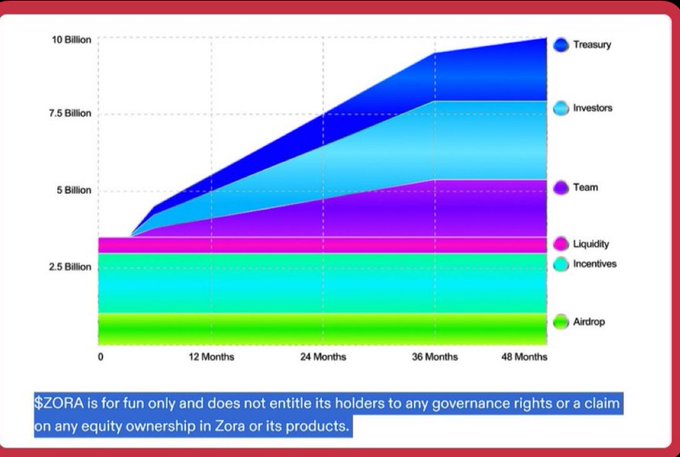
People slammed the tokenomics of $ZORA because they seemed to benefit insiders more than the community.
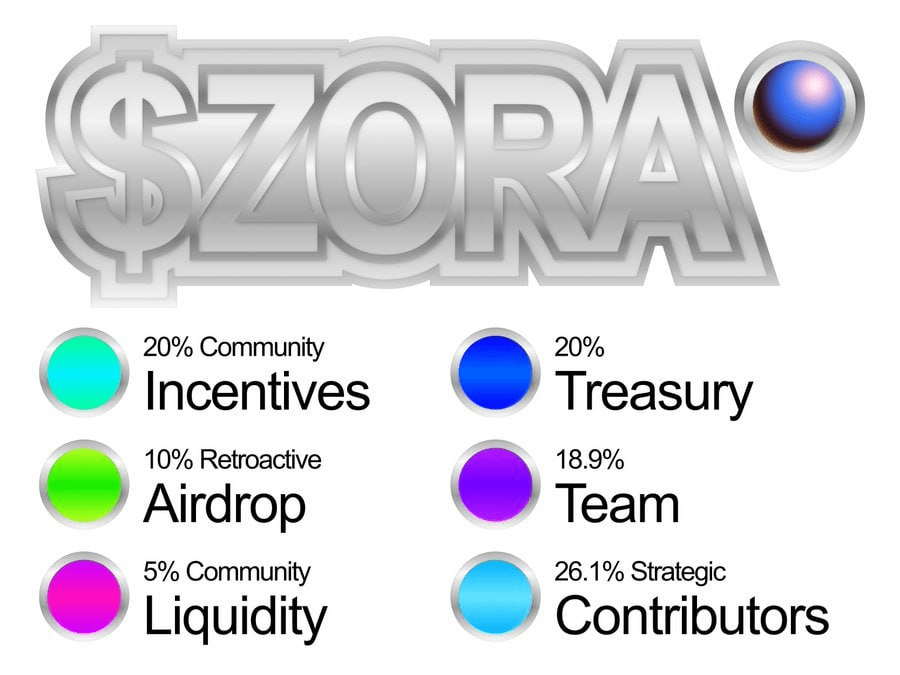
- Distribution: They allocated 10% to users, 20% to incentivize the ecosystem, 5% to provide liquidity, and 65% to the treasury, team, and strategic contributors. Out of that 65%, 45% went to the team and investors.
- Community Reaction: Giving just 10% to users seemed like “crumbs” to many, which clashed with Zora’s claim of being “community-driven.”
- Immediate Sell Pressure: A large portion for insiders caused whales to dump dropping the price from $0.037 to $0.017 within a few days.
Think about memecoins like Dogwifhat that found success by combining scarcity, community incentives, and a strong story to keep their value intact.
Zora’s approach to tokenomics missed this balance.
It ignored fairness and alignment, going against Web3’s core principle: every token should represent trust.
No Real Use
The $ZORA token didn’t serve any real purpose. It failed to give:
- Governance participation.
- Equity options or staking rewards.
- A clear function in its ecosystem.
Zora’s team called it a “for fun” token pushing the idea that it was for speculation. Without a clear purpose, people had no motivation to invest or stay involved.
This caused a massive sell-off and very few token claims.
Expensive Gas Costs
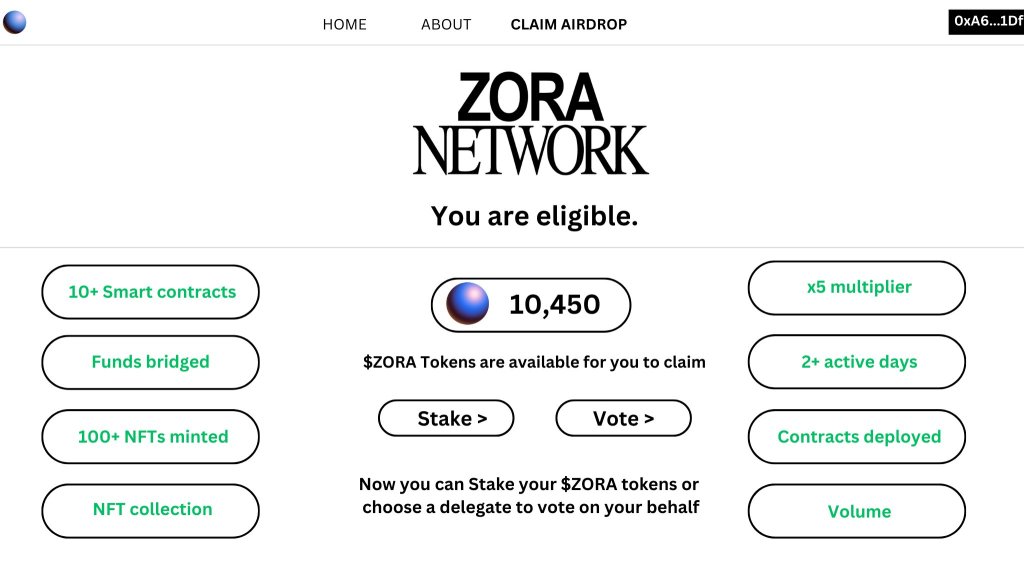
The airdrop’s smart contract setup made users even more frustrated:
- Snapshots: The eligibility depended on two timeframes, January 2020 to March 2025, and up to April 20, 2025. However, the details around this were not explained.
- Gas Fees: To claim tokens, users had to pay high Ethereum gas fees. Many spent $50 to $200 just to get tokens that were worth $1.
- Technical Issues: On the Zora Network, over 3.51 million smart contracts were created. But after the airdrop daily contract creation and transaction numbers fell by 90%. This shows decreasing interest from users.
Weak Communication
Zora’s communication approach failed :
- Announcement Delay: The team revealed the airdrop two hours after the launch. By then, whales sold off their tokens, and the price tanked.
- No Transparency: The project shared no roadmap or clear purpose catching users off guard.
- Community Outrage: Platforms like Twitter and Discord erupted into chaos, with even dedicated creators like Latashá voicing their anger.
A developer put it bluntly, “This was an expensive crash course in how not to structure a memecoin economy.”
Effects of the Zora Airdrop
The aftermath hit hard, with clear damage to both Zora’s ecosystem and its reputation.
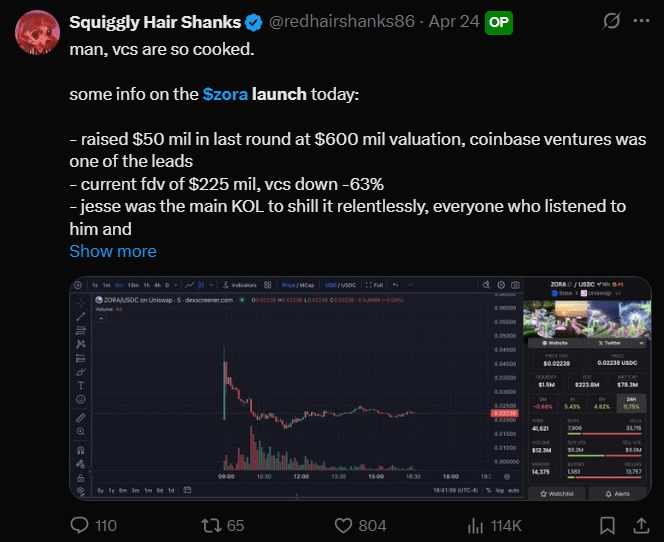
Market Price Collapse
- Token Price: The token dropped more than 50 percent. It fell from $0.037 to $0.017 in just a few days.
- Trading Volume: Speculative interest disappeared causing trading volume to nosedive.
- Market Sentiment: Sentiment turned negative. Accusations surfaced about insider favoritism spreading across platforms like X and Discord.
User Engagement Drop
- Daily Active Users: Active users sank from a high of 259,000 down to 50,900 after the airdrop.
- Creator Activity: Some creators paused or cut back on their activity. They steered clear of what they saw as a risky memecoin setup.
- Platform Revenue: Zora generated $5.4 million, which fell below the expectations set for a project valued at $600 million.
Community Sentiment
Some creators stayed hopeful and worked on tackling artist challenges. Others approached the situation with doubt.
- Adam Levy (Podcast Host): He claimed the creative opportunities in NFTs and blockchain remain unexplored but felt that Zora’s shift was sudden.
- Critics: Pointed out that memecoins could weaken creator brands and focus more on hype than real quality.
- X Posts: Some users, though fewer in number, slammed the airdrop as a “cash grab.” Hashtags like #ZoraFail gained brief attention.

Takeaways for Web3 Builders
Zora’s errors teach practical lessons to founders in Web3 aiming to launch tokens or dApps. These seven valuable insights can help shape your approach.
1. Clear Goals Build Communities, Not Airdrops
Throwing out tokens doesn’t make users loyal.
When people don’t see the point of your token, they’ll either sell it or lose interest.
You need to explain its value before launching. For example Uniswap managed this by connecting their UNI token rewards to using the platform.
2. Memecoins Work With a Story
Even joke coins need a purpose.
Dogwifhat and PEPE gained attention through their stories, rarity, and hype. On the other hand, Zora’s “just for fun” idea felt shallow, and it didn’t hold value for long.
Create narratives that resonate with the people in your community.
3. No Skipping Fair Token Distribution
Setting aside just 10% for users while reserving 45% for insiders feels like a betrayal. Building trust through fairness is how you grow stronger.
Look at Arbitrum’s airdrop. They focused on rewarding users to establish credibility.
4. Staying Silent Breaks Trust
Zora delayed its announcement and gave unclear messages, which caused confusion.
If your plan isn’t clear, your token isn’t ready to launch.
Here’s a tip: Create a solid roadmap and talk to your community .
5. Utility Keeps Holders Around
$ZORA didn’t offer governance, staking, or practical uses, which made it a risky bet that failed.
Tokens need usefulness before they enter the market. Offer perks like governance control or discounts to encourage loyalty.
6. Phased Rollouts Reduce Uncertainty
One chaotic airdrop flooded Zora’s community.
Breaking it into phases, like doing smaller drops, helps test, improve, and build excitement over time. You can take notes from Optimism’s phased airdrop approach.
7. Trust Beats Fancy Design
Zora had a polished interface and big-name supporters, but the real key is trust.
Making tokenomics clear involving the community, and communicating matter more than just having a sleek design.
Steps to Launch a Web3 Token the Right Way
Learning from Zora’s mistakes here’s a simple guide to help Web3 founders succeed:
- Use a Gradual Airdrop: Share tokens in steps to both reward loyal users and minimize market disruptions.
- Focus on Utility Early: Connect tokens to governance, platform perks, or staking options before opening them up for trading.
- Bring the Community In: Work with users to shape tokenomics in a way that matches shared goals.
- Explain First, Promote Later: Provide easy-to-follow instructions explaining token goals and claiming methods before creating buzz.
- Reward Actions, Not Just History: Hand out tokens for valuable activities like creating content or trading rather than just past participation.
- Make Onboarding Easy: Introduce simple login options, like email, to make it easier for newcomers from outside the crypto space.
Zora’s Future and the Creator Economy
Zora’s shift revealed significant divisions in Web3 about speculation, usefulness, and trust.
The memecoin model tries to give more power to creators, but it could end up favoring short-lived popularity over lasting worth.
The future of the creator economy might depend on finding a way to mix new ideas with fairness and open communication.
Share Your Thoughts
Zora’s shift from NFTs to memecoins has sparked debate in the Web3 space.
Was this a daring step toward supporting new creator economies, or did it stray from the core principles of decentralization?
With just 10% of tokens distributed to users and prices dropping 50% within days, was this a misstep in token design and outreach, or was it part of growing into something new?
What’s your take on how Web3 platforms should balance fresh ideas with keeping their community’s trust?

Leave a comment